



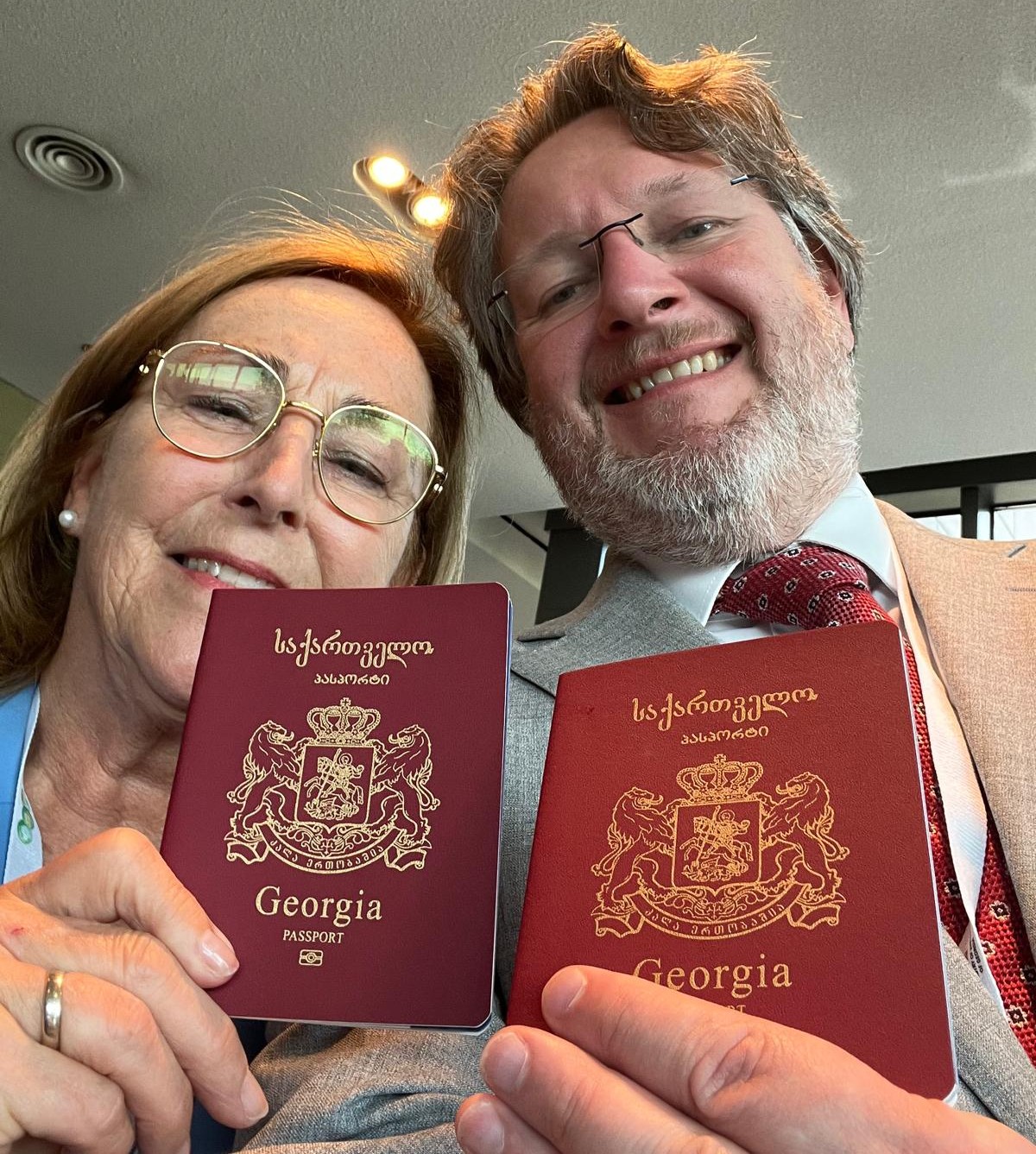
 De gastvrijheid van de Georgische collega’s bleef gedurende de hele bijeenkomst zichtbaar. De deelnemers ontvingen bij aankomst symbolisch zelfs een Georgisch paspoort voor de duur van het congres. Een klein gebaar, maar wel een dat de open sfeer van de bijeenkomst goed samenvatte.
Technologie verandert het werk
Tijdens het congres was veel aandacht voor technologische ontwikkelingen binnen het vak. Georgische gerechtsdeurwaarders werken vergaand geautomatiseerd en zetten bij het opmaken van een proces-verbaal van constatering zelfs drones in.
Toch draaide het gesprek vooral om de vraag wat technologie betekent voor de dagelijkse praktijk van het ambt. Digitalisering ondersteunt het werk van de gerechtsdeurwaarder, maar vervangt de menselijke beslissing niet. Automatisering helpt processen versnellen en informatie sneller beschikbaar te maken. De uiteindelijke beoordeling blijft mensenwerk. Gerechtsdeurwaarders maken afwegingen, geven uitleg en dragen verantwoordelijkheid voor de uitvoering van het recht.
Ook in Nederland verandert het werk zichtbaar. Dossiers worden omvangrijker en systemen raken steeds sterker met elkaar verbonden. Dat vraagt om vakkennis, zorgvuldigheid en oog voor de gevolgen van beslissingen in de praktijk.
De praktijk achter het systeem
Een bijzonder moment tijdens de Spring Counsel was het panelgesprek waaraan ook Oscar Jans deelnam. Hij sprak daar over de bescherming van de rechten van het kind bij ontruimingen.
Bij zulke onderwerpen wordt zichtbaar hoe nauw juridische uitvoering en maatschappelijke verantwoordelijkheid met elkaar verbonden zijn. Gerechtsdeurwaarders werken dagelijks binnen het spanningsveld van wetgeving, menselijke situaties en maatschappelijke ontwikkelingen.
Internationale gesprekken maken duidelijk dat die vraagstukken niet uniek zijn voor Nederland. In veel landen groeit de aandacht voor de rol van gerechtsdeurwaarders binnen de schuldenketen en voor het voorkomen van verdere escalatie van problemen.
Een rechtsstaat vraagt om uitvoering
Na de officiële opening door de voorzitter van NBE (The National Bureau of Enforcement) Lasha Modzghvrishvili, benadrukten verschillende sprekers het belang van de gerechtsdeurwaarder binnen de rechtsstaat. De aanwezigheid van de Georgische minister van Justitie, de heer Paata Salia, gaf die boodschap extra gewicht. Wetgeving en rechtspraak krijgen uiteindelijk betekenis in de uitvoering. Daarvoor zijn stabiele systemen, betrouwbare registers en onafhankelijke professionals nodig. Ook binnen de KBvG blijft die ontwikkeling nadrukkelijk onderdeel van de koers voor de komende jaren.
Vooruitkijken
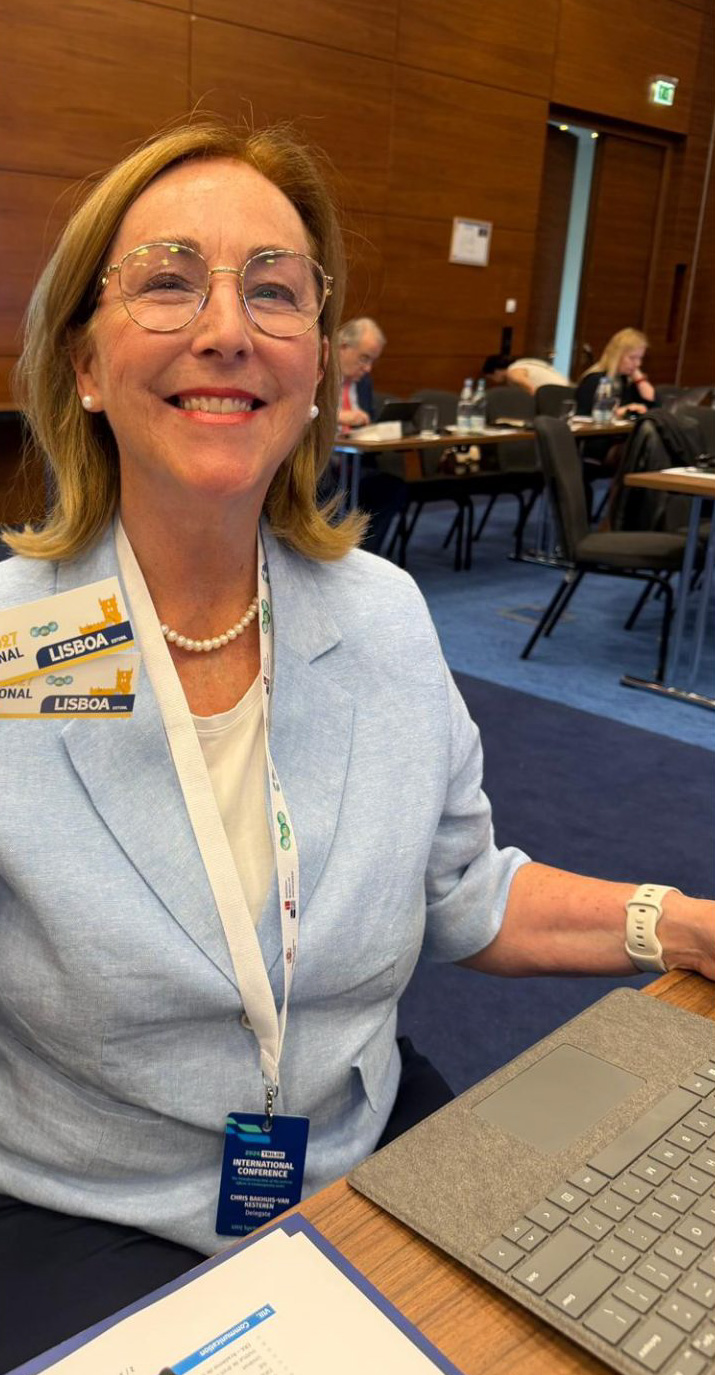 De Spring Counsel bood ruimte voor ontmoeting, kennisdeling en gesprekken over de toekomst van het ambt. Zulke bijeenkomsten laten zien hoeveel internationale ontwikkelingen uiteindelijk terugkomen in de dagelijkse praktijk van gerechtsdeurwaarders.
Daarom blijft het waardevol om ervaringen met elkaar te delen en van andere rechtsstelsels te blijven leren.
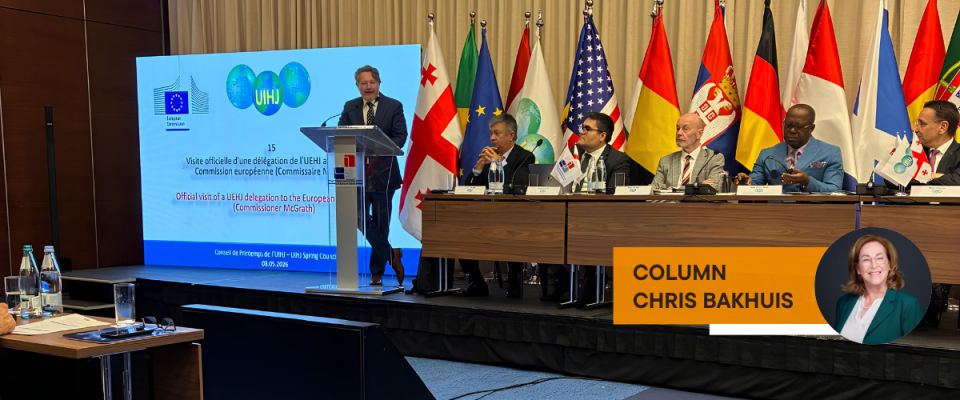
A profession in transition: reflections on the Spring Counsel in Tbilisi.
Last week, the UIHJ Spring Counsel took place in Tbilisi.
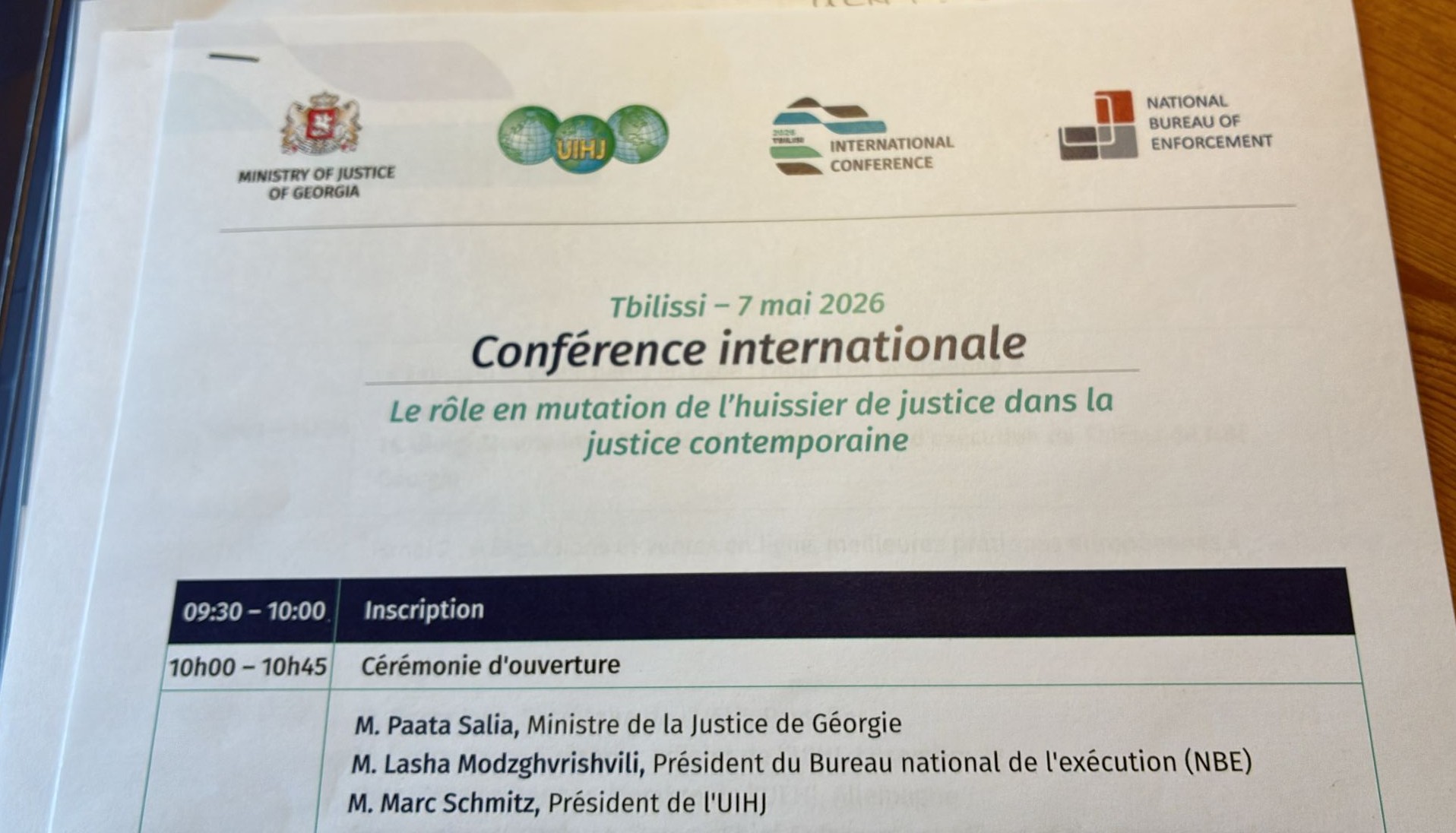
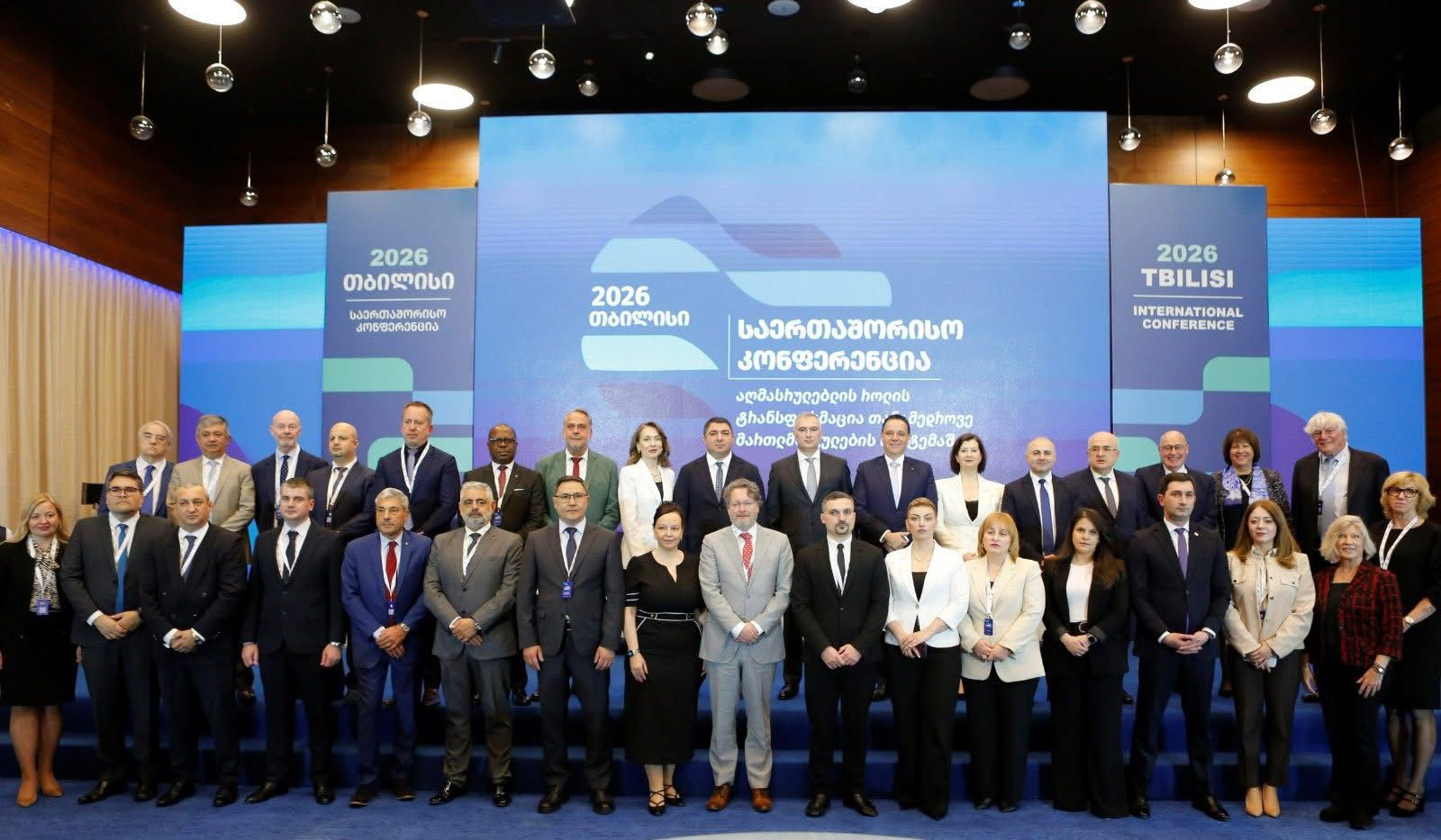
It was an international gathering where judicial officers from more than thirty countries came together around the theme: The Transforming Role of the Judicial Officer in Contemporary Justice.
Last year, the KBvG hosted this meeting itself, with a focus on social and digital innovation. This year, the National Bureau of Enforcement of Georgia acted as host. From the very first moment, the warm welcome stood out, as did the immediate sense of recognition among colleagues from different legal systems. While daily practice may differ considerably, the issues discussed are remarkably similar.
The hospitality of the Georgian colleagues was evident throughout the entire event. Upon arrival, participants were even symbolically presented with a Georgian passport for the duration of the conference. A small gesture, but one that perfectly reflected the open and welcoming atmosphere of the gathering.
Technology is changing the profession
Much attention during the conference was given to technological developments in the profession. Georgian judicial officers work in a highly automated environment and even use drones when drawing up official reports of taking of evidence.
At the same time, discussions focused primarily on what technology means for the everyday practice of the profession. Digitalisation supports the work of judicial officers but does not replace human decision-making. Automation helps to speed up processes and make information more readily available, but the final assessment remains a human responsibility. Judicial officers make judgments, provide explanations, and bear responsibility for the enforcement of law.
These changes are also clearly visible in the Netherlands. Case files are becoming more extensive and systems increasingly interconnected. This requires professional expertise, careful consideration, and an awareness of the real-life consequences of decisions.
Practice behind the systems
One particularly meaningful moment during the Spring Counsel was the panel discussion in which Oscar Jans also took part. He addressed the protection of children’s rights in the context of evictions.
Issues like these underline how closely legal enforcement and social responsibility are intertwined. Judicial officers operate daily at the intersection of legislation, human situations, and societal developments.
International discussions made it clear that these challenges are not unique to the Netherlands. In many countries, there is growing attention for the role of judicial officers within the debt enforcement chain and for preventing further escalation of problems.
Enforcement is essential to the rule of law
After the official opening, by Lasha Modzghvrishvili, Chairman of the NBE, several speakers emphasised the importance of judicial officers within the rule of law. The presence of the Georgian Minister of Justice, Paata Salia, gave additional weight to this message.
Legislation and judicial rulings ultimately derive their meaning from effective enforcement. This requires stable systems, reliable registers, and independent professionals. Within the KBvG, this development will remain a central part of our course in the years ahead.
Looking ahead
The Spring Counsel offered space for meeting, sharing knowledge, and discussing the future of the profession. Such gatherings demonstrate how international developments ultimately find their way into the daily practice of judicial officers.
That is why it remains valuable to continue exchanging experiences and learning from other legal systems.